Built for Contractors.
A Unified Risk + Benefits Strategy.
HUB International Northwest delivers deep construction industry expertise β from DOT compliance audits and fleet risk management to captive feasibility across both Property & Casualty and Employee Benefits. One team. Total coverage. Zero gaps.
The People Behind Your Program.
No call centers. No handoffs. A unified team of P&C specialists, EB advisors, compliance attorneys, actuaries, and pharmacy consultants β all accountable to Crestline.
Property & Casualty

Account lead for Crestline's full P&C program. Coordinates strategy across all commercial lines including DOT compliance alignment and captive analysis.
Senior executive oversight. Construction market relationships, carrier strategy, and captive partner evaluation.

Day-to-day program servicing, policy administration, DOT endorsement monitoring, and renewal coordination.

Client service, certificate management, fleet schedule maintenance, and ongoing coverage support.


Human Resource Team

Samanthaβs superpower is being able to bridge the gap between the C-suite and human resources teams by creating strategic solutions that impact the overall ROI of an organization and make it palpable and realistic for those in charge of delivering to the rest of the organization.
Β Malia has over 20 years of experience at HUB and works with large group employers to cultivate comprehensive benefits programs that meet the needs of the employee population while staying within budget. She has a strong depth of knowledge on funding arrangements and unique offerings including unbundled self-funded, association health plans, captives, ICHRAs, and more.

As a senior account manager with 14 yearsβ experience, Kim is responsible for the day-to-day servicing of her clientsβ programs and needs. She collaborates with the team on executing multi-year strategic plans, develops and conducts open enrollment presentations, manages new carrier, plan, or vendor implementation, and assists in the RFP process as needed.

As an account manager in our employee benefits department, Jimetta is responsible for the day-to-day client service and collaborates with advisors and other account managers to ensure client benefit needs are met.

Liliana works to support our clients on a variety of levels, including biweekly compliance updates, hosting and speaking at our annual compliance summit, and much more. She possesses 22 years of experience in addressing the compliance and regulatory needs of employers and their group health plans.

As an account manager in our employee benefits department, Jimetta is responsible for the day-to-day client service and collaborates with advisors and other account managers to ensure client benefit needs are met.

Matt is a regional pharmacy consultant at HUB International and has nearly a decade of experience in working with pharmacy benefit managers. Matt has hands on experience working with large health plans, self-funded employers, PBMs, GPOs, retail pharmacies, and pharmacy manufacturers.

With over 10 years of experience in the wellness industry, Lindsay has a proven track record in strategic planning, program development, and vendor management. In her role with HUB International, Lindsay consults with a wide variety of organizations, ranging in size from 50-15,000 employees, to deliver results-oriented wellbeing strategies.

Ed has over 15 years of experience in channels, technology, HR, and leadership roles and has been leading growth and channels for the HUB People & Technology Consulting Practice since 2020. Ed and the rest of the HUB team of consultants have experience in diverse organizations, specializing in building and developing high-performing human capital programs, systems, and teams.

From Level-Funded to Self-Insured: The Full Captive Picture.
Captive arrangements are one of the most powerful tools available to contractors β but only when structured correctly. HUB offers captive analysis and transition support across both Employee Benefits and Property & Casualty, with a clear framework for evaluating feasibility, financial impact, risk structure, and long-term strategy.
What Most Contractors Don't Know About Captives
Most contractors encounter captives first in Employee Benefits β typically through a level-funded carrier pitch. But the same self-insurance economics that work in benefits can be applied to your P&C program, particularly Workers' Compensation, General Liability, and Auto. Understanding both sides of the captive equation β and how they interact β is what separates a tactical insurance decision from a long-term risk management strategy.
EB Captive (Group Medical Stop-Loss)
Pool stop-loss risk with similarly-situated employers. Favorable claim years return underwriting profit to captive members rather than to the carrier. Build equity over time. Typically entered through platforms like Pareto Health.
P&C Captive (WC, GL, Auto)
Retain a defined layer of Workers' Comp, GL, or Auto liability risk in a structured captive vehicle. Ideal for contractors with favorable loss history, disciplined safety culture, and the financial capacity to self-fund. Builds long-term reserves and pricing stability.
Captive Feasibility: What We Evaluate
Before recommending any captive structure β EB or P&C β HUB conducts a structured feasibility analysis. This is not a product pitch. It is an objective assessment of whether a captive arrangement creates genuine long-term value for your organization, based on your specific data.
Claims History Review:
3β5 years of loss runs analyzed for frequency, severity, and trend. We identify whether your loss profile supports risk retention or warrants continued risk transfer.
Workforce & Census Analysis:
For EB captives: employee demographics, tenure, and dependents. For P&C captives: job classifications, payroll distribution, vehicle exposure, and project mix.
Financial Capacity Assessment:
Balance sheet review to determine appropriate retention levels. Captives require financial stability β we model multiple scenarios to identify the right deductible and funding structure for your cash flow.
Safety Culture Evaluation:
Captive underwriters want to see embedded safety culture β not just programs. Crestline's 30-year safety record, owned fleet maintenance, and ODOT qualification are genuine captive eligibility assets.
Premium Deconstruction:
We separate your current premium into component parts: risk transfer cost, carrier profit margin, administrative load, and stop-loss premium β making visible exactly where the captive creates value.
Regulatory & Tax Review:
Captive structures carry specific regulatory requirements in Oregon and Washington. We coordinate with legal and tax counsel to ensure the structure is compliant, sustainable, and optimally designed for your ownership structure.
Market Comparison Modeling:
Captive economics are benchmarked against traditional market alternatives. We only recommend a captive when the financial case is clear β not because it's a product we're selling.
TPA & Captive Partner Selection:
HUB is carrier and platform agnostic. We evaluate TPAs, captive managers, and fronting carriers to identify the combination that best serves your operational and financial objectives.
HUB is Carrier Agnostic. While Pareto Health is one platform we can explore for EB captives, and several strong options exist on the P&C side, HUB does not advocate for any specific captive structure. Our recommendation is driven entirely by your data, your financial position, and your long-term goals.
Financial Impact: What the Numbers Actually Show
Captive feasibility lives or dies in the financial modeling. HUB's actuarial and financial analytics team builds contractor-specific projections β not industry averages β to demonstrate actual expected value over a 3β5 year horizon.
EB Captive Financial Model Components:
Current Premium Deconstruction
Separate your level-funded premium into stop-loss cost, administrative fee, and claims fund. Identify the carrier's profit margin β this is the value a captive can return to you.
Expected Claims Modeling
Using your 3β5 year claims experience, we project expected claims cost under the captive structure β including specific deductible, shared layer, and reinsurance costs.
Profit Sharing & Equity Buildup
Model the expected profit sharing return in favorable years. Over 3β5 years, this equity buildup can represent significant realized value β particularly for contractors with below-average claims experience.
Worst-Case Scenario Analysis
We model adverse claim scenarios β what happens in a bad year β to ensure Crestline's cash flow can absorb the maximum credible loss without financial distress.
P&C Captive Financial Model Components:
Experience Modification Analysis
Your EMR is the starting point for WC captive eligibility. We analyze your unit stat data, identify errors or misclassifications, and project EMR trajectory under a captive structure.
Retention Layer Sizing
Identify the optimal per-occurrence retention level based on your claims frequency and severity profile. Too low wastes the captive's cost advantage. Too high creates cash flow risk.
Reserve & Collateral Modeling
P&C captives require funded reserves and often LOC collateral. We model reserve development patterns for WC and GL tails to ensure your collateral requirements are correctly sized.
Total Cost of Risk Comparison
Compare fully-insured vs. captive total cost of risk across a 5-year horizon β incorporating premium savings, investment income on reserves, profit sharing, and administrative costs.
Risk Structure: How the Layers Work
Understanding the risk layering architecture is essential before entering any captive arrangement. HUB maps every layer β from retained risk to reinsurance β and ensures Crestline understands exactly what they own and what they've transferred.
P&C Captive Risk Layers:
EB Captive Risk Layers (Pareto Model):
Single-Parent vs. Group Captive:
Single-parent captives give Crestline full control and all profit retention β but require greater financial scale and administrative capability. Group captives (like Pareto) offer shared risk and lower entry requirements. We evaluate both for every client.
Fronting Carrier Requirements:
P&C captives require a licensed fronting carrier to issue policies and maintain statutory surplus. We evaluate fronting carrier financial strength, claims handling authority, and willingness to honor captive economics without interference.
Collateral & Letter of Credit:
P&C captives typically require a Letter of Credit or funded trust to secure the retained layer. We model the collateral requirement over time and identify bank relationships with construction-friendly collateral terms.
Long-Term Captive Strategy: Building Equity Over Time
A captive is not a one-year decision. The value compounds over time β in reserve accumulation, pricing stability, underwriting data ownership, and organizational discipline. Here's how we think about the 5-year horizon.
Year 1
Feasibility & Entry: Complete feasibility analysis, select structure and partners, establish captive vehicle, set retention levels, and fund initial reserves. Transition costs are front-loaded.
Years 2-3
Data & Discipline: Generate proprietary claims experience data. Refine retention levels based on actual loss performance. Begin accumulating reserve equity. First profit-sharing distributions in favorable years.
Years 3-5
Equity & Control: Reserve equity builds to meaningful levels. Pricing stability established. Use captive data to negotiate superior reinsurance terms. Evaluate expansion to additional lines or larger retention.
Years 5+
Strategic Asset: Captive becomes a strategic financial asset β funding risk, generating investment income, supporting M&A activity, and providing a competitive advantage in both insurance cost and workforce benefits.
Annual Governance & Reporting:
HUB provides annual captive performance reviews covering loss ratio, reserve adequacy, profit sharing distribution, reinsurance renewal strategy, and retention layer adjustments. You always know exactly how the captive is performing relative to projections.
Exit Strategy Planning:
We model captive exit scenarios from day one β including reserve run-off, collateral release timelines, and transition back to traditional markets if the structure no longer serves your goals. You're never locked in without a clear path out.
The EB β P&C Captive Transition: Why Contractors Move This Way
The most natural captive evolution for a contractor like Crestline follows a specific progression β starting with Employee Benefits, then expanding the same risk retention discipline into Property & Casualty. Here's why this path is logical, and how HUB manages the transition.
Why Start with EB? Employee Benefits captives have a lower barrier to entry, faster payback periods, and more immediate data availability than P&C captives. A successful EB captive experience builds the organizational discipline β financial reserves, data analytics culture, governance structures β that makes a P&C captive far more likely to succeed.
EB Captive Financial Model Components:
EB Captive Entry & Performance Validation
Enter the EB captive (e.g., Pareto Health). Over years 1β2, generate proprietary claims data, demonstrate financial discipline, and begin accumulating reserve equity. This track record is the foundation for P&C captive underwriting conversations.
P&C Feasibility Using EB Experience
Your EB captive performance β claims ratio, reserve adequacy, governance discipline β becomes supporting evidence in P&C captive feasibility conversations with fronting carriers and reinsurers. Contractors who have successfully managed an EB captive are viewed as lower-risk P&C captive candidates.
Workers' Comp as the P&C Entry Point
For contractors, Workers' Compensation is typically the first P&C line to enter a captive β it's the largest premium line, the most data-rich, and the most directly influenced by safety culture. Crestline's strong safety record and EMR are genuine WC captive eligibility assets.
Expanding to GL & Auto
Once WC captive performance is validated over 2β3 years, General Liability and Commercial Auto can be brought into the captive structure β either in the same vehicle or through a companion structure. DOT compliance history and fleet maintenance documentation become underwriting assets at this stage.
The HUB Advantage: Because HUB manages both your P&C and EB programs, we are the only broker who can actively coordinate the EB β P&C captive transition β using data from both sides to build the strongest possible captive underwriting case. A broker who only sees one side of your risk profile cannot do this.
Benefits Built for a Construction Workforce.
A heavy civil contractor's workforce is physically demanding, geographically distributed, and often operating on tight margins between competitive bids. Your benefits program needs to attract and retain skilled operators and laborers β while managing costs with the same discipline you apply to every job site.

Workforce-Specific Plan Design
Plans designed around the demographics, utilization patterns, and income levels of your actual workforce β not a generic contractor template. Multi-year strategic planning aligned to hiring cycles and project pipeline.
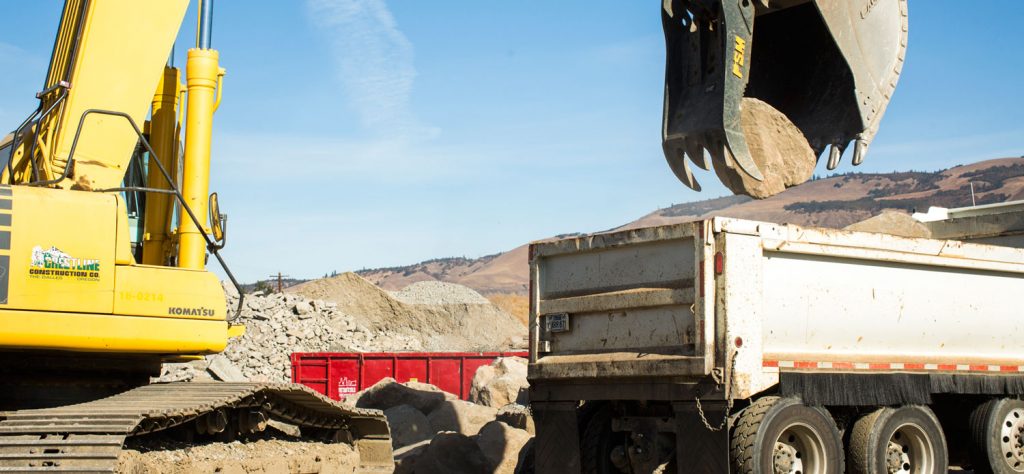
PBM Carve-Out & Pharmacy Cost Control
Physical labor workforces carry higher-than-average pharmacy costs. A direct, pass-through PBM contract gives full visibility into formulary economics. Most carve-outs deliver savings that exceed transition costs in year one.
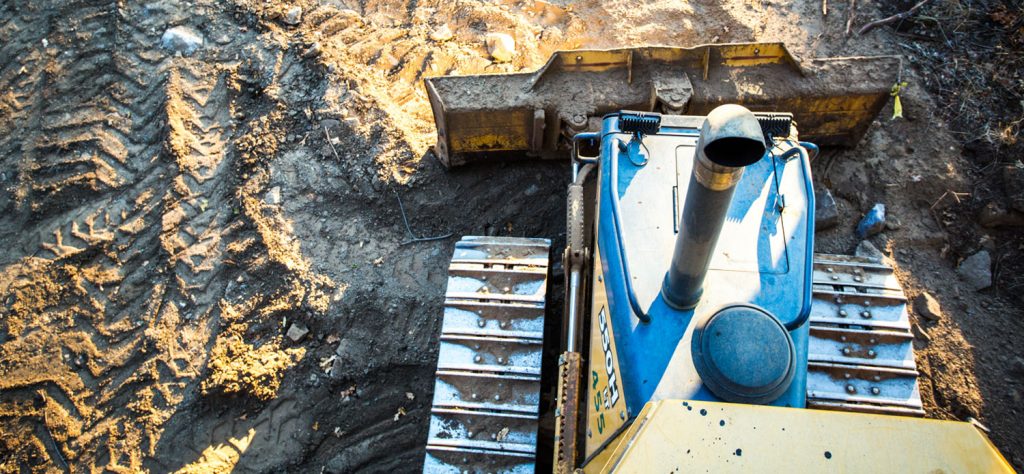
Network Repricing for Construction Regions
Claims-based reprice analysis identifies competitive network alternatives β particularly important for workers spread across Oregon and Washington. Reduce unit cost without disrupting preferred providers.

Workforce Wellness & Injury Prevention
Wellness programs for construction workers reduce WC claims, absenteeism, and long-term disability costs simultaneously. Our ChooseWell platform is included at no cost and scales from 50 to 15,000 employees.

Compliance & Leave Law Management
Multi-state contractors face overlapping Oregon and Washington leave law obligations. Our compliance team provides biweekly updates, policy reviews, and 226J response letter drafting as standard service.
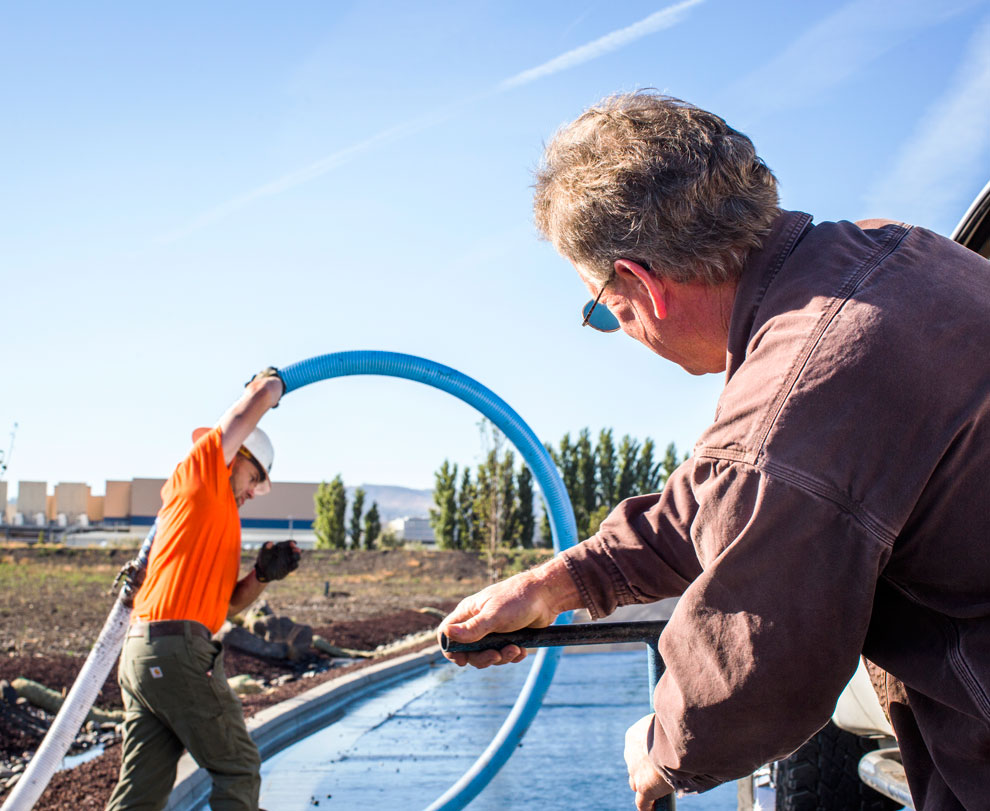
Financial Analytics & Cost Forecasting
Experience reporting, financial projections, and reserve estimates built around your specific claims data. Long-term cost trajectory modeling that gives your CFO and leadership team the data they need to plan.
The Level-Funded Ceiling: Your current level-funded arrangement offered predictability β but carrier margins are baked into your premium, rebate flows are opaque, and your ability to respond to cost drivers is constrained by a structure designed to protect the carrier first. As Crestline grows, you may be leaving meaningful money on the table. The path forward starts with our captive analysis.
Current Program: Findings & Gaps.
HUB conducted a comprehensive review of Crestline's current program. While placed with financially sound carriers, our audit identified several key coverage gaps β many of which directly intersect with DOT compliance and contractor-specific exposures.

Current Coverages:
Property: Blanket Building $5,880,000 | BPP $530,000 | Business Income $609,060 | $2,500 ded | Replacement Cost | 90% Coinsurance. Total: $7,019,060.
General Liability: $2M General Aggregate | $1M Each Occurrence | $1M Personal & Advertising | $500k Damage to Premises | $10k ded | WA Stop Gap $1M | EBL $1M.
Commercial Auto: 98 units | $1M CSL | $15k PIP | $5k Med Pay | $1M UM/UIM | ACV Physical Damage | $2,500 Comp/$2,500 Coll ded | MCS-90 $1M.
Umbrella: $5M Each Occurrence / $5M Aggregate β upgraded from $3M.
Gaps & Recommendations:
GL SubCost Rate: Increased 150% this renewal on $3,675,000 in subcontracted work. Tighten sub certificates and contractual risk transfer documentation immediately.
Auto β Physical Damage Gap (DOT Linked): Not all 98 vehicles carry physical damage. Any unit operating post-5/15/23 without notification has no coverage β and creates DOT compliance exposure if the vehicle is a registered CMV.
Inland Marine β ACV Valuation: All $5,316,564 in scheduled equipment written on ACV. Replacement cost should be evaluated to avoid underindemnification after a major loss.
Current Coverages:
Scheduled Equipment: $5,316,564 total | ACV | 80% Coinsurance | $1,000 ded.
Unscheduled Equipment: $200,000 blanket | $20k per item max | $2,500 ded.
Additional: Equipment Borrowed $5,000 | Leased/Rented $175,000 | Installation Floater $100,000/$1M receipts basis.
Gaps & Recommendations:
CV Valuation Risk: With a 150+ piece fleet, ACV depreciation could leave Crestline significantly underindemnified after a major loss. Replacement cost valuation should be evaluated.
No Boom / Collapse Coverage: No coverage for overload or collapse/collision of booms β a critical gap for heavy civil and excavation operations.
Rented Equipment Sub-Limit: Capped at $175,000. Review against largest single rental value on any active project.
No Waterborne, EQ, or Flood: Given in-water project work along the Columbia River, absence of waterborne equipment and flood coverage warrants immediate attention.
Current Coverages:
Structure: Occurrence form for Contracting Operations Pollution | Claims Made all other lines | $3M Aggregate.
All Lines at $3M: Contracting Operations Environmental | Owned Locations | Non-Owned Location | Transportation | Professional Liability | SubGap Indemnity | Rectification & Mitigation $1M/$2M. All at $25k ded.
Gaps & Recommendations:
New Retroactive Date β Major Gap: Professional Liability retro date is 5/15/2025. Any professional services claims from prior work have zero coverage. Prior retro date history must be confirmed immediately.
Shared Aggregate: All lines share the $3M aggregate. A single major pollution event could exhaust limits across all coverage areas.
Non-Admitted Carrier: State guaranty fund protections do not apply. Evaluate admitted alternatives at renewal.
Chubb Alternative: Key Upgrades Available:
Remaining Gaps:
First Named Insured Update: Should be updated to Kerr Contractors Holdings Company, LLC. CRG Holdings, LLC., EMK One, LLC., and Woodburn Risk Management flagged as not currently included.

Built Around How Contractors Actually Operate.
Most brokers treat contractors like any other commercial client. HUB doesn't. Our construction team understands the layered complexity of heavy civil operations β fleet exposure, subcontractor liability, ODOT compliance, in-water work, multi-state licensing, and workforce risk β and builds programs that reflect that reality.
Insurance Cost Optimization Assessment
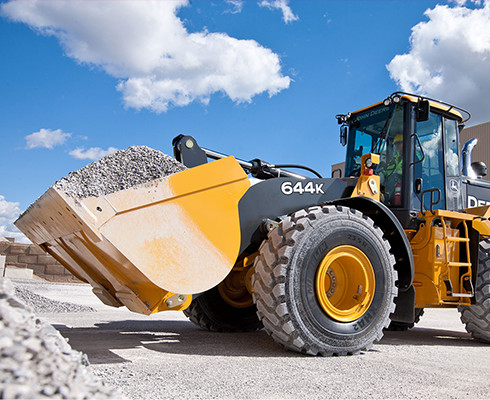
Deductible & Captive Feasibility Review

Subcontract Risk

DOT Risk & Compliance Program Review
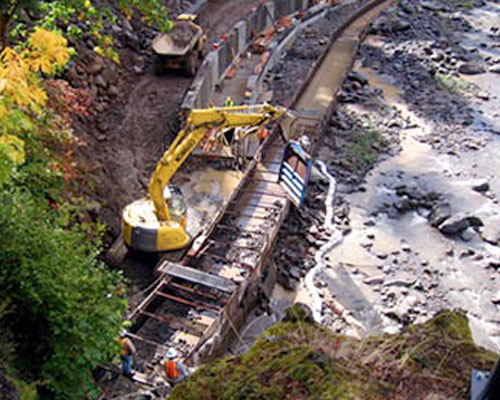
Fleet & Equipment Risk Management
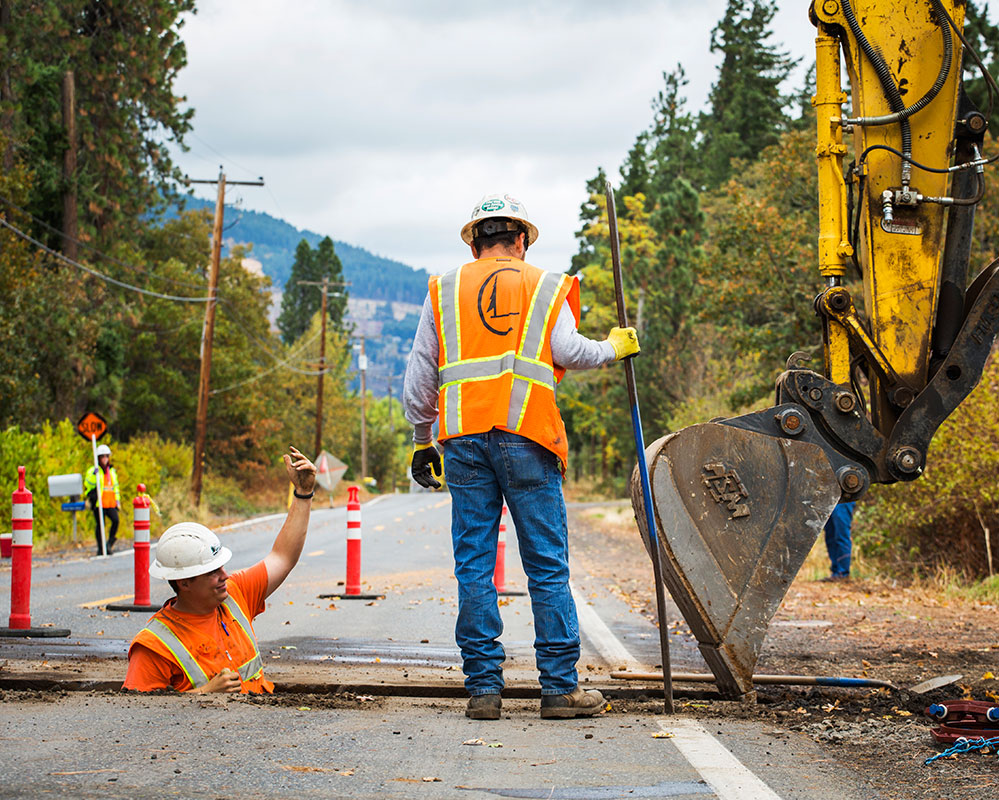
Subcontractor Risk Transfer

DOT Audits: Don't Get Caught Unprepared.
For heavy civil contractors operating commercial motor vehicles, a DOT audit is not a question of if β it's when. An unsatisfactory safety rating can trigger carrier non-renewals, surcharge your premiums, and jeopardize your ability to bid public contracts. HUB provides end-to-end DOT audit preparation, response, and insurance program alignment.
What's at Stake for Contractors Like Crestline
For heavy civil contractors operating commercial motor vehicles, a DOT audit is not a question of if β it's when. An unsatisfactory safety rating can trigger carrier non-renewals, surcharge your premiums, and jeopardize your ability to bid public contracts. HUB provides end-to-end DOT audit preparation, response, and insurance program alignment.
Rating Impact on Insurance:
An unsatisfactory DOT rating can trigger mid-term cancellation or non-renewal across your commercial auto program. Carriers review FMCSA data at every renewal.
Bid Eligibility Risk:
Many public agency contracts β including ODOT and federal highway projects β require a Satisfactory safety rating as a condition of award. A single audit failure can bench you from your pipeline.
Cross-State Complexity:
Operating in both Oregon and Washington means compliance obligations under both state DOT agencies and FMCSA federal standards. Gaps in one state can trigger review in the other.
Our 5-Step DOT Audit Process:
HUB's DOT audit service goes beyond paperwork review. We work alongside your operations and safety team to build a defensible compliance posture β before, during, and after an audit.
Pre-Audit Assessment
Full SMS score review, driver qualification file audit, vehicle maintenance record analysis
Gap Identification
Hours of service, drug & alcohol program, hazmat compliance, and inspection record gaps flagged
Remediation Planning
Prioritized corrective action plan β immediate fixes vs. systemic process improvements
Audit Representation
HUB team present during compliance reviews to advocate, clarify, and protect your rating
Realignment
Audit outcomes are immediately translated into your insurance program β ratings, endorsements, and carrier narrative updated
Driver Qualification File (DQF) Audit
FMCSA's Safety Measurement System (SMS) scores your operation across seven BASICs.
A percentile above 65β75% in any BASIC triggers investigation. We monitor scores continuously β not just at audit time.
Commercial driver's license (CDL) verification and endorsement review
Medical examiner certificate currency and FMCSA registry confirmation
Previous employer safety performance history requests (3-year look-back)
Annual driving record review from all states of licensure
Road test certificates and entry-level driver training documentation
SMS Score Monitoring & Intervention
FMCSA's Safety Measurement System (SMS) scores your operation across seven BASICs. A percentile above 65β75% in any BASIC triggers investigation. We monitor scores continuously β not just at audit time.
Hours of Service (HOS) Compliance
HOS violations are the second leading cause of DOT safety rating downgrades. For contractors, the interaction between construction site work and CMV operation creates unique compliance challenges.
ELD (Electronic Logging Device) compliance review and gap analysis
Exempt vehicle identification (short-haul, agriculture, construction site exemptions)
Property-carrying vs. passenger-carrying driver rule differentiation
Sleeper berth, 34-hour restart, and split-duty period documentation
Road test certificates and entry-level driver training documentation
Construction Site Exemption Management
Many construction vehicles operating exclusively on job sites qualify for HOS exemptions β but only if properly documented. Misclassification is a common audit trigger.
HUB Insight: Contractors frequently over-register vehicles as CMVs when job-site-only units may qualify for exemptions, inflating DOT exposure unnecessarily. We audit your fleet registry for optimization opportunities.
Job-site-only vehicle identification and exemption filing
Fleet reclassification to reduce CMV count and DOT exposure
Vehicle Maintenance Program Audit
HOS violations are the second leading cause of DOT safety rating downgrades. For contractors, the interaCrestline's 150+ piece owned fleet is an underwriting strength β but only if maintenance records are audit-ready. Systematic maintenance documentation is as important as the work itself.ction between construction site work and CMV operation creates unique compliance challenges.
Pre-trip and post-trip inspection record completeness review
Periodic inspection frequency compliance (annual at minimum)
Brake, lighting, and tire documentation for CMV roadworthiness
Out-of-service violation history review and dispute support
In-house maintenance shop documentation standards alignment
Insurance Crossover: Physical Damage & Maintenance
DOT vehicle maintenance records directly influence your physical damage claims outcomes. Well-documented maintenance rebuts carrier arguments that damage resulted from neglect rather than a covered event.
Current Gap: Crestline's program shows physical damage coverage missing on vehicles not reported after 5/15/23. A DOT vehicle in operation without physical damage coverage creates both a financial and compliance exposure simultaneously.
Drug & Alcohol Testing Program
FMCSA drug and alcohol testing requirements are among the most heavily scrutinized elements of a DOT audit. A single procedural gap β wrong lab, uncertified MRO, incorrect random pool β can result in a Conditional rating.
Consortium/TPA program review for FMCSA compliance
Random selection documentation and percentage rate verification
Pre-employment, reasonable suspicion, and post-accident testing records
Clearinghouse query compliance β annual queries for all CDL drivers
Return-to-duty protocol documentation for any violations
Impact on Workers' Comp & Liability Claims
A robust drug and alcohol program does more than satisfy DOT requirements β it protects you in litigation. When an accident occurs, the presence or absence of a compliant testing program is often the first thing opposing counsel examines.
HUB Advantage: We coordinate your DOT drug & alcohol compliance directly with your Workers' Comp carrier's loss control team β ensuring consistent documentation standards that protect you both regulatorily and in claims defense.
How DOT Audit Outcomes Flow Into Your Insurance Program
A DOT audit doesn't end when the auditor leaves. The outcomes β your safety rating, BASIC scores, and violation history β feed directly into commercial auto underwriting. HUB translates audit results into immediate insurance action.
Rating Improvement Narrative:
If your rating improves following corrective action, we build a formal underwriting narrative documenting the improvement β and use it to negotiate rate reductions at renewal.
Carrier Communication Protocol:
We proactively communicate audit outcomes and remediation steps to your carrier before they discover them in FMCSA data β controlling the narrative rather than reacting to it.
Policy Endorsement Review:
Certain DOT violations trigger specific policy exclusions or endorsement requirements. We review all endorsements post-audit to ensure nothing slips through the cracks unnoticed.
MCS-90 Compliance:
Crestline's current program carries MCS-90 at $1M. We verify the endorsement aligns with DOT financial responsibility requirements and that the underlying coverage structure supports it correctly.
Fleet Registry Optimization:
Post-audit, we reconcile your insured vehicle schedule against FMCSA-registered CMVs to identify coverage gaps, eliminate inactive units, and ensure physical damage elections are current.
Safety Rating as Underwriting Asset:
A Satisfactory rating is an underwriting advantage. We actively present your safety rating, SMS scores, and DOT compliance history to carriers as evidence of controlled risk β influencing pricing in your favor.
Bond Capacity That Keeps You Bidding.
Bonding isn't a formality β it's a growth lever. Your ability to pursue larger ODOT projects, public works contracts, and multi-prime jobs lives and dies with your surety relationship. HUB's Northwest bonding team sits at the same table as your P&C and Benefits advisors β so your bond capacity grows alongside your business.
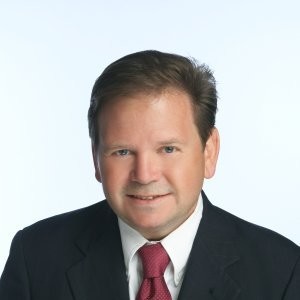
Dean leads HUB's surety practice across the Pacific Northwest with deep relationships across the region's top surety markets. He knows how to position a contractor's financials, backlog, and track record to maximize single and aggregate bonding limits β and he's done it for contractors at every stage of growth.

Kristen manages day-to-day bond execution β issuance, tracking, renewals, and surety market communication. Her contractor-specific surety experience means bonds are ready when Crestline needs them, fully aligned with project obligations and agency requirements.
One Team. Total Risk Visibility.
The most dangerous word in risk management is "siloed." When your P&C broker doesn't see your benefits claims, and your benefits consultant doesn't know your EMR, you get fragmented advice. HUB sees both β and that changes everything.
P&C Delivers
DOT compliance audit preparation & defense
Fleet registry optimization & physical damage gap closure
EMR auditing & experience modification management
Safety culture documentation for carrier narrative
WC, GL, Auto, and Pollution captive feasibility
ODOT-qualified contractor program design
Benefits Delivered
EB captive entry strategy & Pareto Health analysis
PBM carve-out & pharmacy cost optimization
Workforce wellness tied to WC injury reduction
Compliance & leave law management (OR + WA)
Long-term cost forecasting & financial analytics
HR technology & M&A support
The Integrated Difference for Contractors
Workforce injury data from WC informs benefits plan design β reducing duplicate cost in both programs
EB captive discipline and data builds the foundation for P&C captive underwriting credibility
DOT audit outcomes are immediately translated into both commercial auto program and benefits compliance review
EMR improvements reduce WC premium while simultaneously strengthening captive eligibility narratives
Unified Total Cost of Risk reporting β one number, one strategy, one executive conversation
Aligned renewal calendars reduce executive and finance team bandwidth demands across both programs
One Team. Total Risk Visibility.
The most dangerous word in risk management is "siloed." When your P&C broker doesn't see your benefits claims, and your benefits consultant doesn't know your EMR, you get fragmented advice. HUB sees both β and that changes everything.
Discover & Assess
Site visit, operations documentation, and DOT audit readiness report
Full P&C program audit and captive feasibility β identify all gaps
FMCSA SMS score review β BASIC exposure across all 98 CMVs
Driver qualification file sampling and EMR unit stat audit review
Deconstruct EB arrangement and analyze Pareto Health alternatives
Pull 3β5 years of claims and run PBM repricing and reprice modeling
Confirm insureds, entities, retro dates, and initiate carrier outreach
Deliver & Implement
Full P&C proposal delivered 30 days before renewal
DOT compliance remediation plan activated with operations team
Captive feasibility report delivered to executive leadership
EB renewal strategy and alternative funding recommendation
Total Cost of Risk executive summary presented
Implement upgraded coverage and bind optimized program
Establish quarterly executive reporting and service cadence
Erik, Samantha, and I are happy to provide any referral you would like.
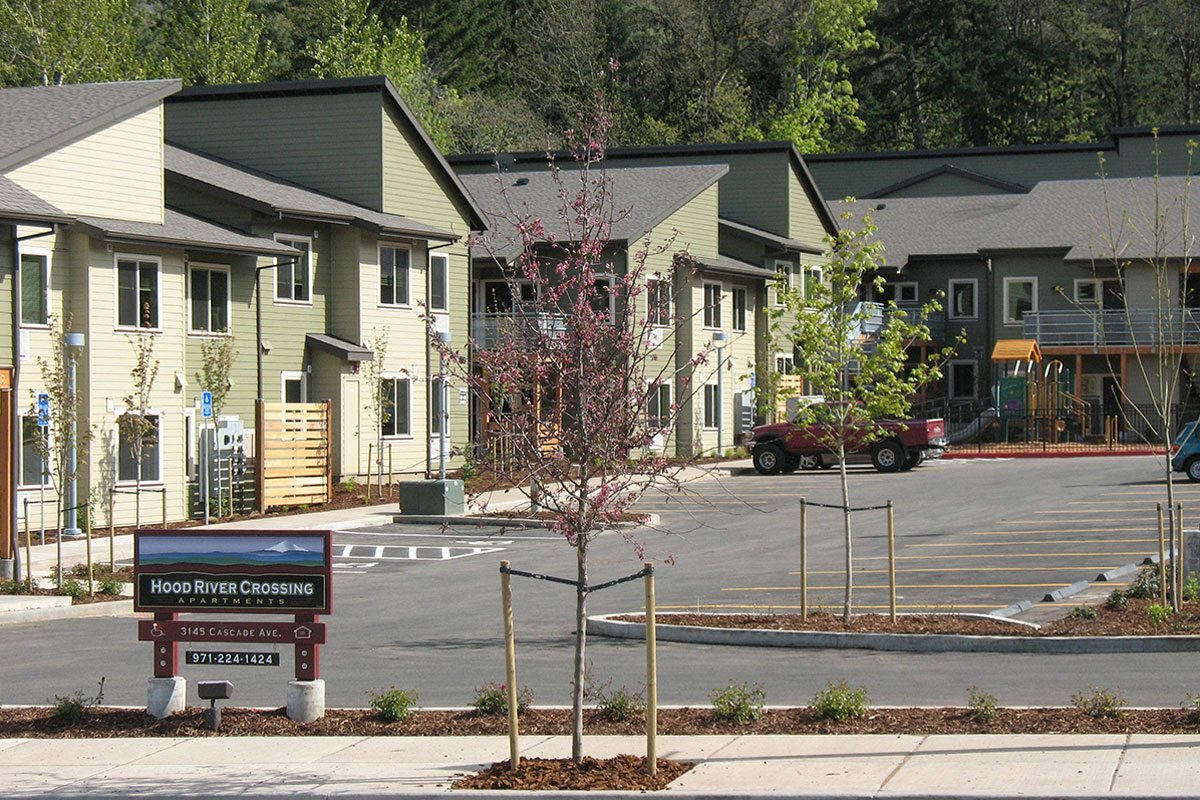

Let's Build Something Better
Crestline has spent 30 years building the Columbia River Gorge. HUB will build the risk and benefits strategy β and the captive roadmap β they deserve.